Ask three vendors what flooring a campus needs and expect three different answers, usually shaped by what each vendor happens to sell. Flooring is also the one call that's hard to reverse once poured, so it's worth understanding the trade-offs before anyone shows up with a quote.
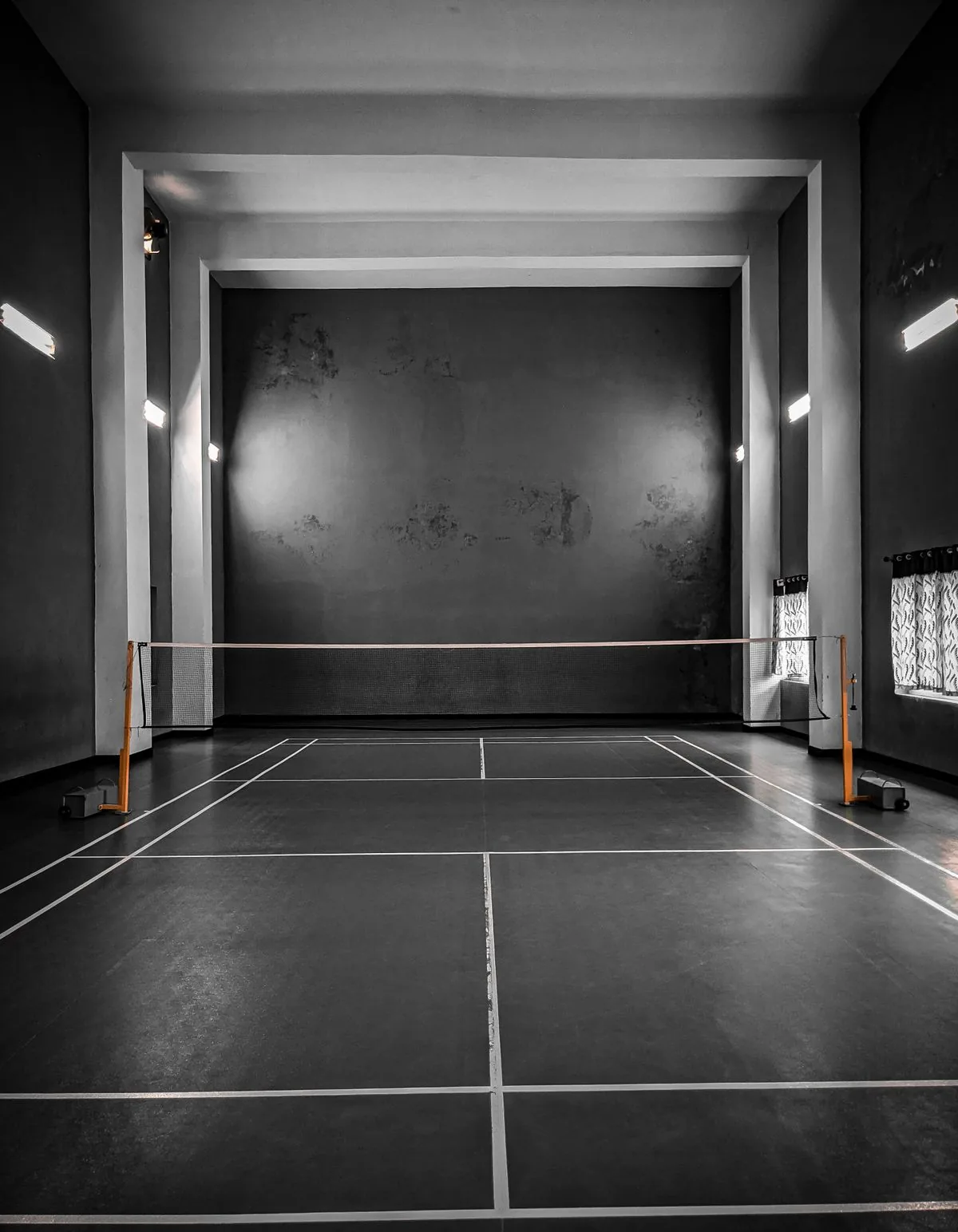
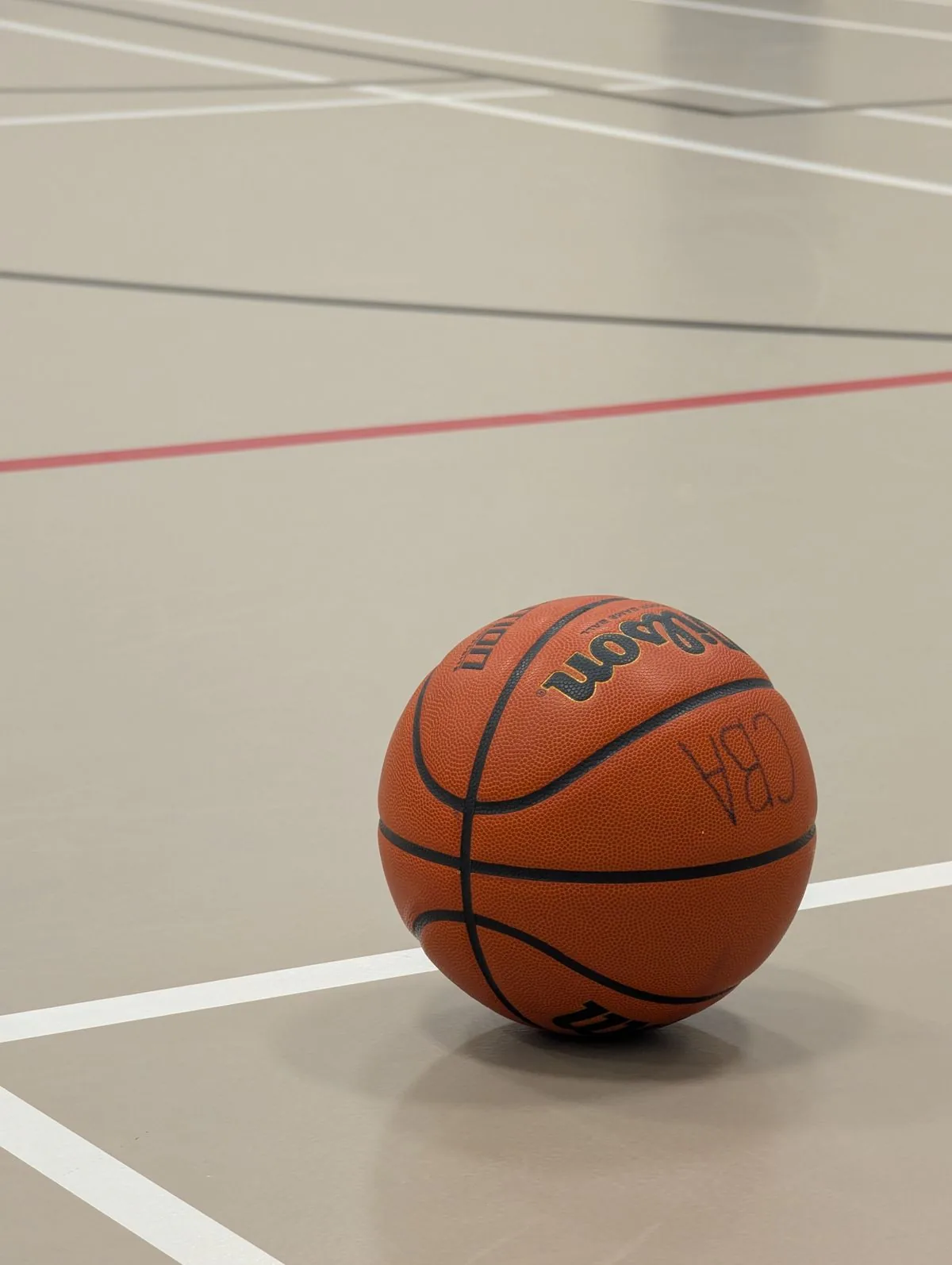
The short version: PU synthetic flooring is the workhorse for indoor badminton and basketball, seamless and shock-absorbing, laid at a minimum 4.5mm thickness for corporate use and good for roughly 8 to 10 years if it's maintained. Acrylic is what goes outdoors, tennis, basketball, pickleball, since it cures quickly and shrugs off weather, though it needs a UV-protective reseal every couple of years. Vinyl or PVC on concrete is the cheaper entry point for casual indoor play, but it wears faster and absorbs less shock than PU. Wooden sprung flooring sits at the top of the range, the best ball rebound and underfoot feel, and the highest cost, generally reserved for flagship facilities where the extra spend is deliberate.
The decision usually comes down to indoors or outdoors first
Climate control is the real fork in the road. PU synthetic and wooden sprung floors both need it, direct sun and rain shorten their life fast. Anything outdoors narrows the field to acrylic, or an outdoor-rated interlocking tile system if the campus needs something installed and playable within days rather than weeks.
Where we see campuses get this wrong
The most common mistake isn't picking the wrong flooring type, it's picking the right type at the wrong spec. A court that sees badminton in the morning and open-gym fitness sessions in the evening needs a heavier-duty PU rating than one used for badminton alone, even though both look identical on a spec sheet that just says "PU flooring." Usage hours per week matters more than the sport itself when deciding thickness and grade.
Before signing anything, get the thickness spec in writing, not just the material name, along with the warranty split between the flooring itself and the installation labour. A vendor who can't produce that on paper usually hasn't thought it through either.
Related reading
- Badminton court cost in India, by flooring type
- Basketball court cost in India, a budget guide by flooring and size
Planning a court installation?
sportsOS scopes flooring, hardware and installation as one turnkey project, with the spec confirmed in writing before anyone breaks ground.
See Turnkey Projects →