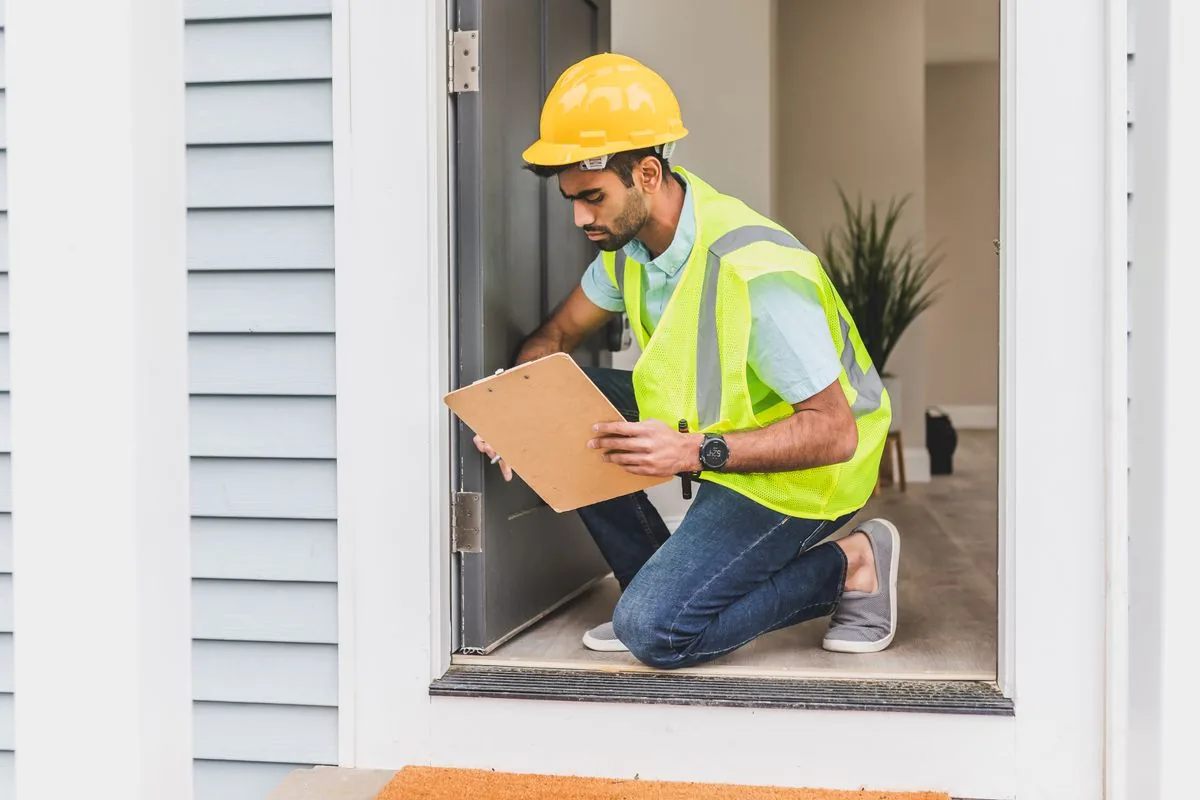
Most facility teams find out equipment has failed only when an employee complains, well after the fix got more expensive than it needed to be. A structured quarterly inspection catches problems while they're still cheap to fix. Here is the checklist to run every quarter.
Flooring and surface checks
- Visual inspection for cracks, bubbling, seam separation or delamination
- Court markings, faded lines get re-taped or repainted before they cause disputed calls
- Outdoor acrylic surfaces, check for UV fading and schedule resealing every 18 to 24 months
Hardware and equipment checks
- Net tension across badminton, tennis and table tennis, sagging nets are the most common complaint and the cheapest fix
- Backboard, rim and pole stability on basketball hoops, torque check on all mounting bolts
- Cricket netting for tears, and pole anchor points for movement
- Gym equipment, belt wear on treadmills, cable fray on strength machines, calibration on any digital display
Lighting and safety checks
Confirm lux levels still meet the original spec (300 to 500 lux depending on sport), replace any dead fixtures immediately since uneven lighting is both a performance and a safety issue. Check emergency exit signage and first-aid provisioning at the same time, since facility teams are already on-site.
Consumables audit
Shuttlecocks, balls, grips, chalk and paddle rubber should be checked against actual usage rate, not a fixed reorder date. A court that gets heavy seasonal use needs a different restock cadence than one used steadily year-round.
Documenting the inspection
Log every inspection with photos and a written condition note per item, this becomes the audit trail procurement teams need for warranty claims, and the data set that shows whether a reactive or AMC-based maintenance model actually saves money over time.
If you would rather have this checklist run for you on a fixed schedule, with a written report after each visit, that is what a sports facility AMC from sportsOS covers, and sports facility management adds vendors, consumables and tournaments on top.
Related reading
Need a structured inspection cadence?
sportsOS runs quarterly inspections as part of its AMC, with photo documentation and a written condition report each visit.
See Facility Management →