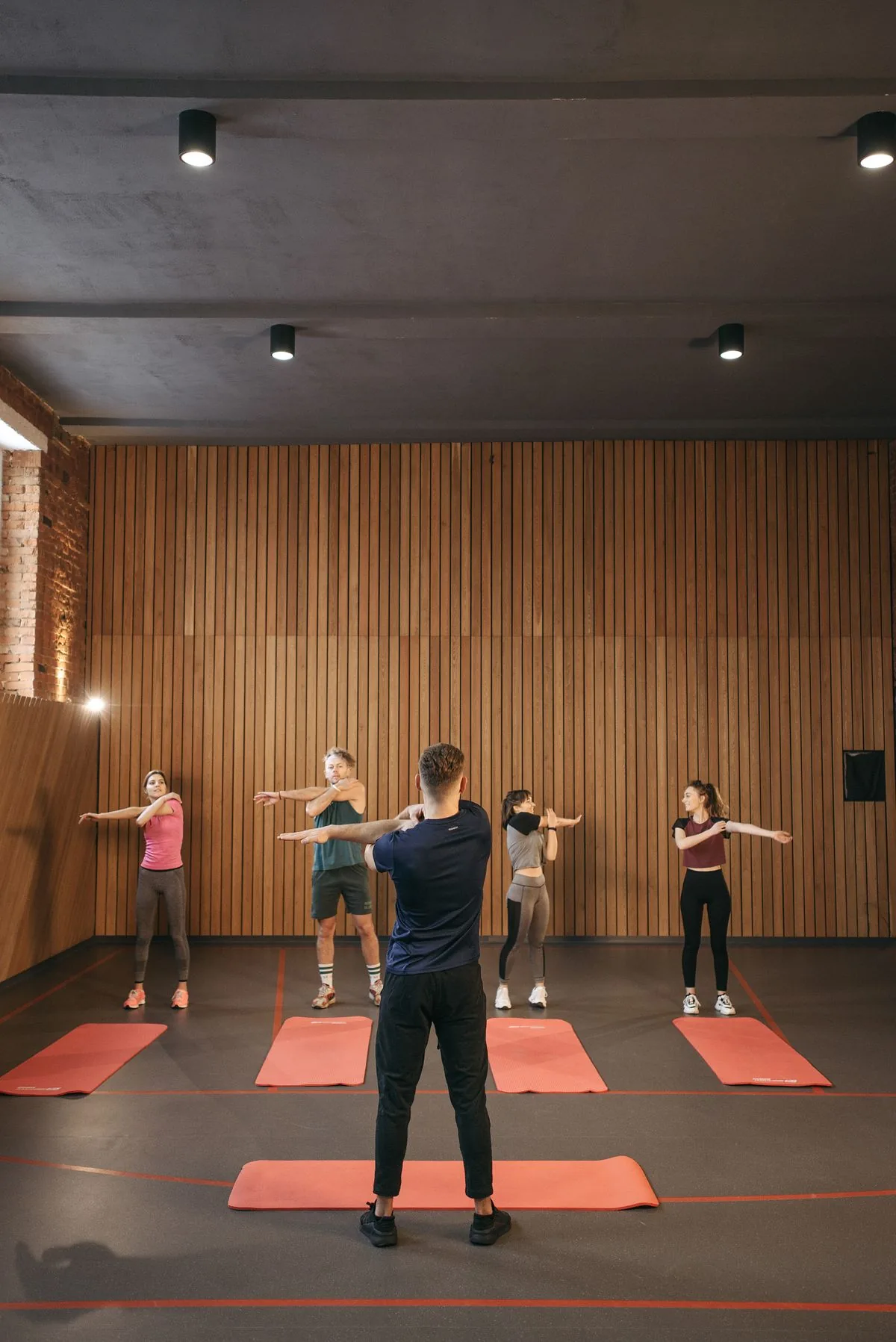
Wellness programs are one of the easier employee benefits to launch and one of the easiest to quietly fail. The provider landscape in India splits into a few distinct types, and picking the wrong type for your campus is usually why attendance drops off after the first month.
The three kinds of providers you'll find
Large app-based corporate wellness platforms. Broad reach across cities and session formats, booked through an app. The trade-off is instructor continuity, employees may see a different face leading yoga or fitness sessions week to week, which makes it harder to build the habit that keeps a program alive.
Independent freelance instructors booked directly. Flexible on scheduling and often strong on relationship with regular attendees, but with no backup coverage. If the instructor is unwell or unavailable, the session usually just gets cancelled rather than covered.
Boutique studio chains that send instructors on-site. Generally higher and more consistent instruction quality, since the studio has its own hiring and training standards, but scheduling can be rigid, tied to the studio's own calendar rather than the campus's.
What to check before committing to a provider
- Instructor background verification, not just a resume, actual reference checks
- Substitution coverage, so a session never simply gets cancelled when the regular instructor is unavailable
- Session attendance tracking, so HR can see whether the program is actually being used
- Quarterly variety in the program, yoga, Zumba, strength training, so the same format doesn't burn out interest by month three
Why most wellness programs fade after month one
Attendance usually starts strong in the first few weeks, driven by novelty and an initial HR push, and then quietly declines. The programs that hold attendance past that point tend to share two things, a consistent instructor employees recognise week to week, and a visible attendance record that someone in HR actually reviews. Programs that run on autopilot, booked once and never revisited, are the ones most likely to be forgotten by the campus that commissioned them.
Where sportsOS fits
sportsOS bundles wellness programs into the same campus operations relationship as the sports facilities, rather than running it as a separate app or a standalone vendor. Scheduling, attendance and instructor coverage sit inside the same operational structure as everything else on campus, which means a substitution or a schedule change gets handled by a team that already understands the campus's calendar and space constraints, rather than a support queue that has to be brought up to speed each time.
Related reading
Building a wellness program that sticks?
sportsOS runs wellness programs as part of the same campus operations relationship as its sports facilities, with instructor coverage and attendance tracked in one place.
See Wellness Programs →