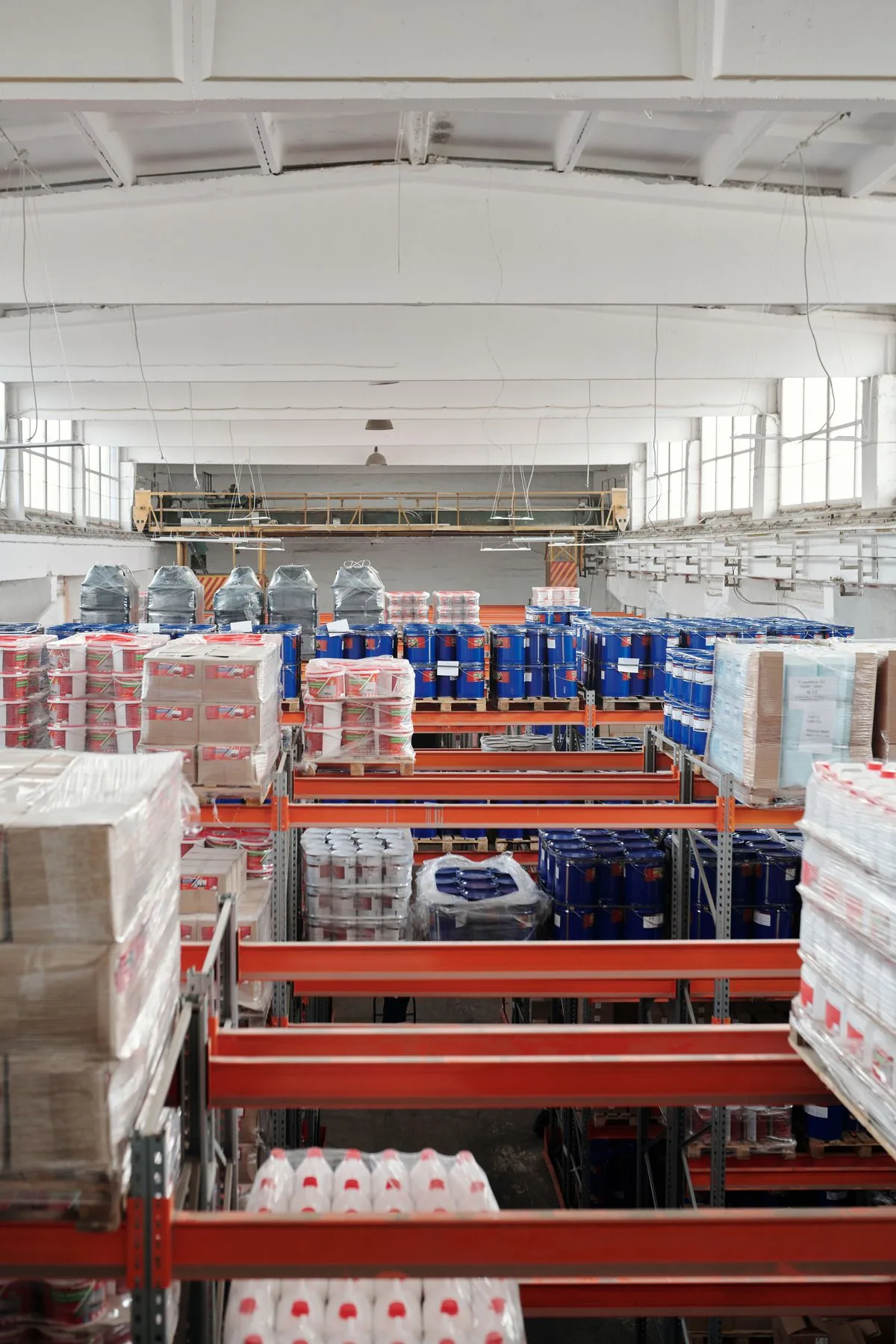
Sourcing sports equipment for a campus, badminton racquets, table tennis tables, gym plates, cricket kit, usually starts with a Google search and ends with a WhatsApp thread full of quotes that are hard to compare. The suppliers aren't all the same kind of business, and knowing which kind you're dealing with makes the comparison easier.
The three kinds of suppliers you'll find
Large B2B sporting goods distributors. Catalog-driven operations selling at scale across categories. Competitive pricing on standard items, but little to no service layer, no one visiting the campus to understand what's actually needed, and no context on how equipment gets used day to day.
Local, single-city relationship-based vendors. Smaller suppliers who know their regular customers well and can be flexible on last-minute requests. The trade-off is inconsistent documentation, GST-compliant invoicing isn't always a given, and quality can vary between orders even for the same item.
RFQ-driven procurement platforms. Digital platforms where a campus raises a request and multiple suppliers quote against it. Useful for price discovery, though the buyer still has to do the vetting work on whoever wins the quote.
What to check before placing an order
- GST-compliant invoicing on every order, not just the first one
- Consistent quality across bulk and repeat orders, not just the sample piece
- Realistic lead times stated upfront, not revised after the order is placed
- A restocking cadence for consumables, shuttlecocks, table tennis balls, grip tape, so campuses aren't reordering reactively every time
Where things go wrong on repeat orders
The first order from a new supplier is rarely the problem, it's usually carefully sourced and checked before anyone signs off. The third or fourth repeat order is where quality drift tends to show up, a slightly different racquet grip, a shuttlecock batch that flies differently, gym plates from a different foundry with a slightly different finish. Campuses that catch this early usually do it by keeping a reference sample from the original order and checking new deliveries against it, not by trusting the invoice description alone.
Where sportsOS fits
sportsOS runs supply as part of the same platform used for maintenance and infrastructure. An RFQ is raised and tracked inside the app rather than through a separate vendor relationship, with GST broken out per item at 0, 5 or 18 percent depending on the category. Because the same team already knows the campus's facilities, an equipment reorder doesn't require re-explaining context that a fresh vendor relationship would need from scratch each time.
Sourcing equipment for your campus?
sportsOS raises and tracks RFQs through the same platform used for maintenance and infrastructure, with GST-compliant invoicing on every order.
See Supply →